
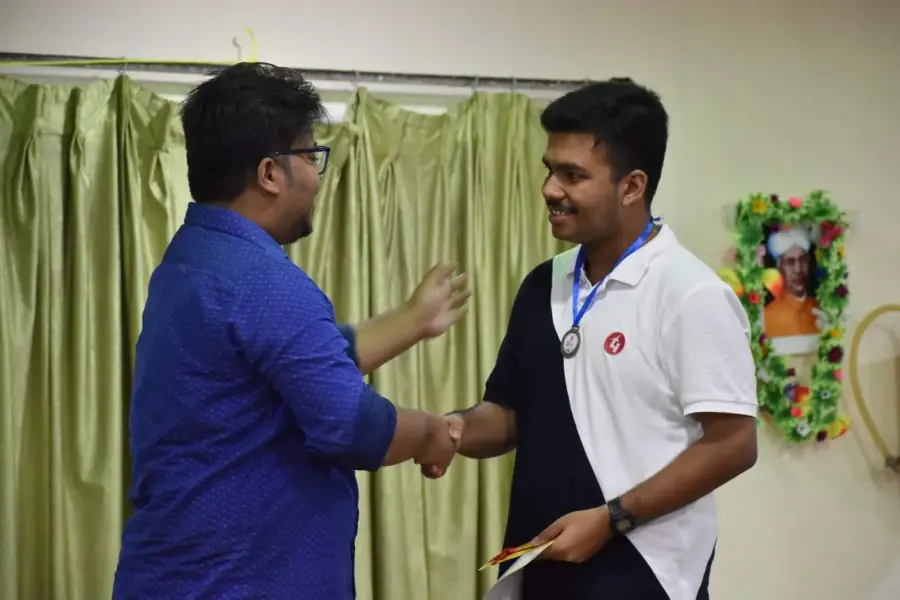
From Nervous Freshers to Tech Fest Runner-Up
Participating in Spark Quest 3.0 was one of the most exciting and unexpected experiences of my first year in college. At that time, we had only recently joined college, so everything felt new to us — the campus, the professors, the events, and even the way competitions were conducted. Most of us were shy and still trying to understand how college life worked.
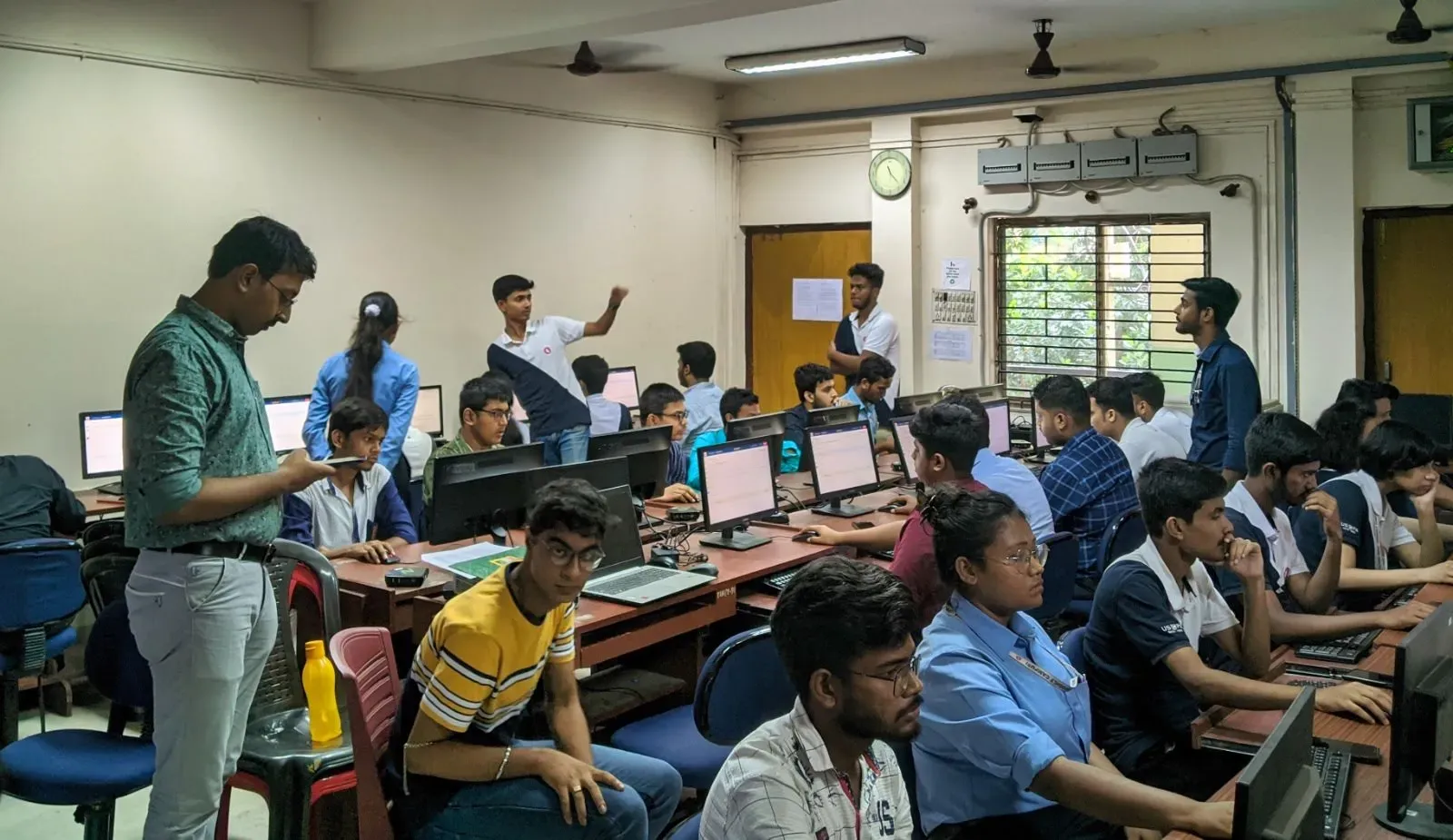
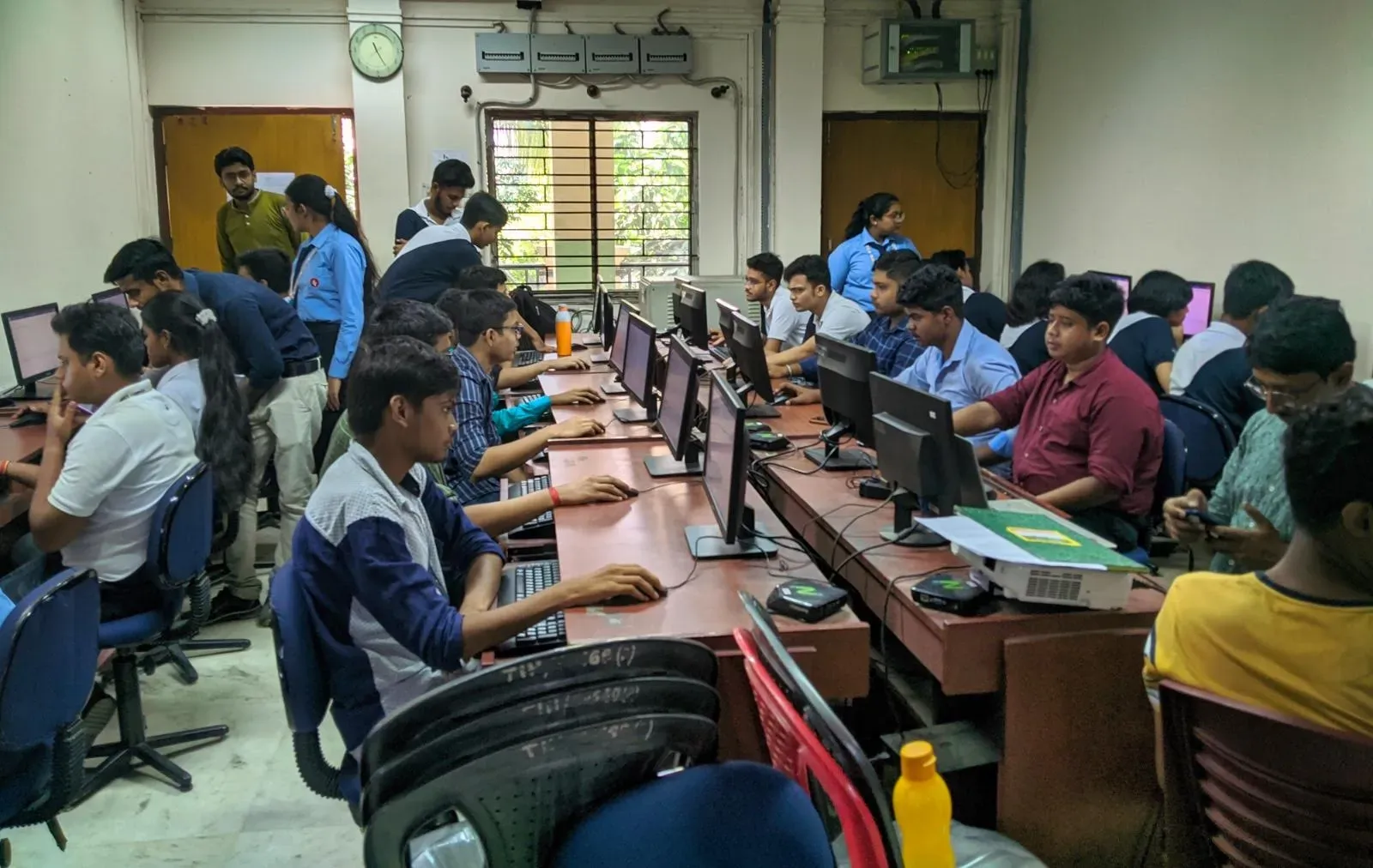
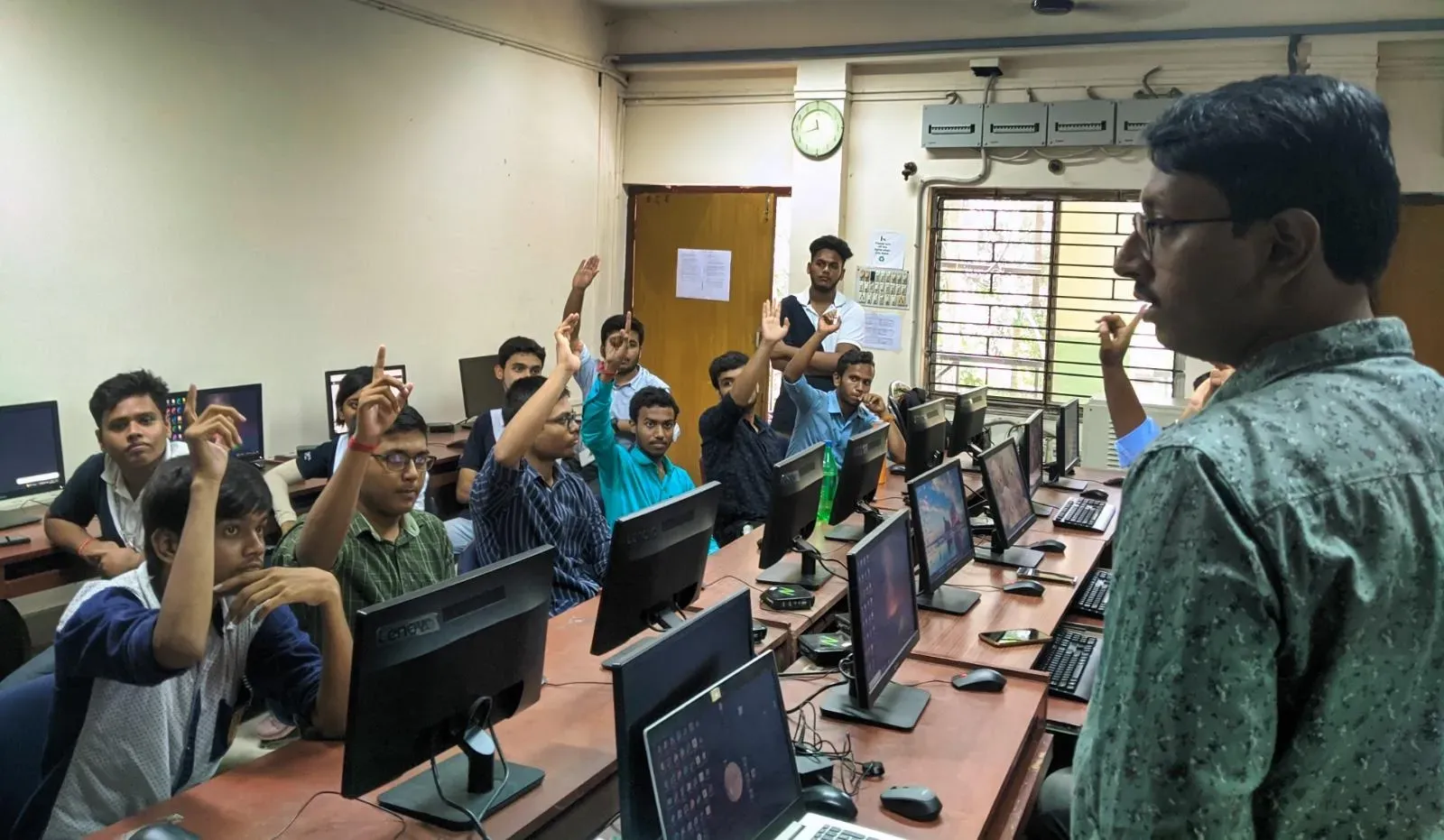
Before the actual competition started, the organizers arranged a small practice session for freshers. They showed us basic MCQs and simple programming-related questions just to make us comfortable and encourage participation in the tech fest. Only a few students attended that session, but it helped us understand what the actual competition could look like.
Round 1 — MCQs and Problem Solving
The first round was based completely on C Programming. We were given around 25 MCQ questions that included:
- Fill in the blanks
- Small C programs
- Predicting outputs
- Understanding program execution
- Basic problem-solving logic
There were participants from different years. Most of them were from the first year, a few from the second year, and several seniors from the third year as well. Since I already had some programming knowledge from learning Python before joining college, I found the first round quite manageable.
The questions were interesting rather than difficult, and I enjoyed solving them. Surprisingly, I secured 3rd position in the first round, which gave me a huge confidence boost. Many participants were eliminated after this stage, and only a limited number moved forward to the next round.
At that point, the competition started feeling serious.
Round 2 — Debugging Challenge
The second round focused entirely on debugging.
We were shown different C programs and had to identify:
- Whether the code would produce an error
- What kind of error could occur
- Whether the output was valid
- Logical mistakes inside the programs
This round was much more challenging because it tested understanding instead of memorization. Every small detail mattered.
By the end of this round, only a few participants remained. Competing against seniors from higher years made the pressure even higher, but somehow, I performed really well and managed to secure one of the top positions in the debugging round.
At this stage, many first-year students had already been eliminated, and the remaining participants were mostly seniors and experienced coders.
Round 3 — The Hardest Round
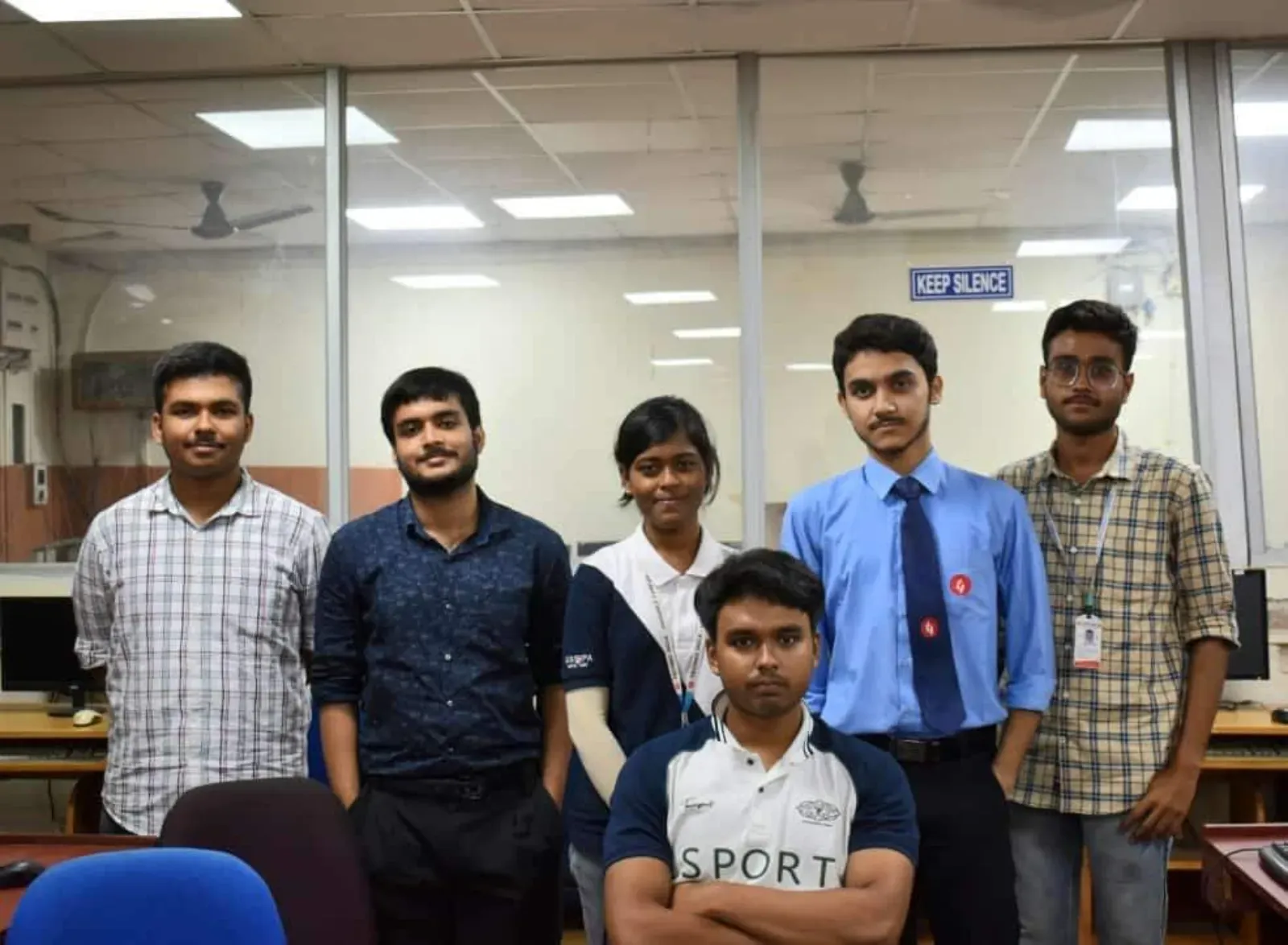
The final round was based on LeetCode-style programming problems. We were given two coding questions, and we had to solve at least one of them. Unlike the previous rounds, this part allowed any programming language.
This was the toughest round for me.
At that time, I mainly knew Python, basic programming, and some object-oriented programming concepts. I had never practiced competitive programming or LeetCode-style problems before. When I looked at the questions, they felt extremely difficult.
I tried thinking about the solutions for some time, but honestly, I could not solve them properly. Eventually, I left the questions unfinished and assumed my competition was over.
So, when a professor called me after some time and told me that I had secured Runner-Up position, I was genuinely shocked.
I did not expect it at all.
That moment became one of the most memorable experiences of my college life because it was completely unexpected. From being a shy fresher who barely understood college life to standing as the Runner-Up in a coding competition — the entire journey felt unreal.
Looking Back
What made this experience special was not just winning a position but participating confidently for the first time in a college technical event. The competition taught me that even basic knowledge, consistency, and confidence can take you much further than expected.
It also became one of the starting points of my interest in problem solving and programming competitions.
And honestly, this was only the beginning.

Comments
Leave a reply